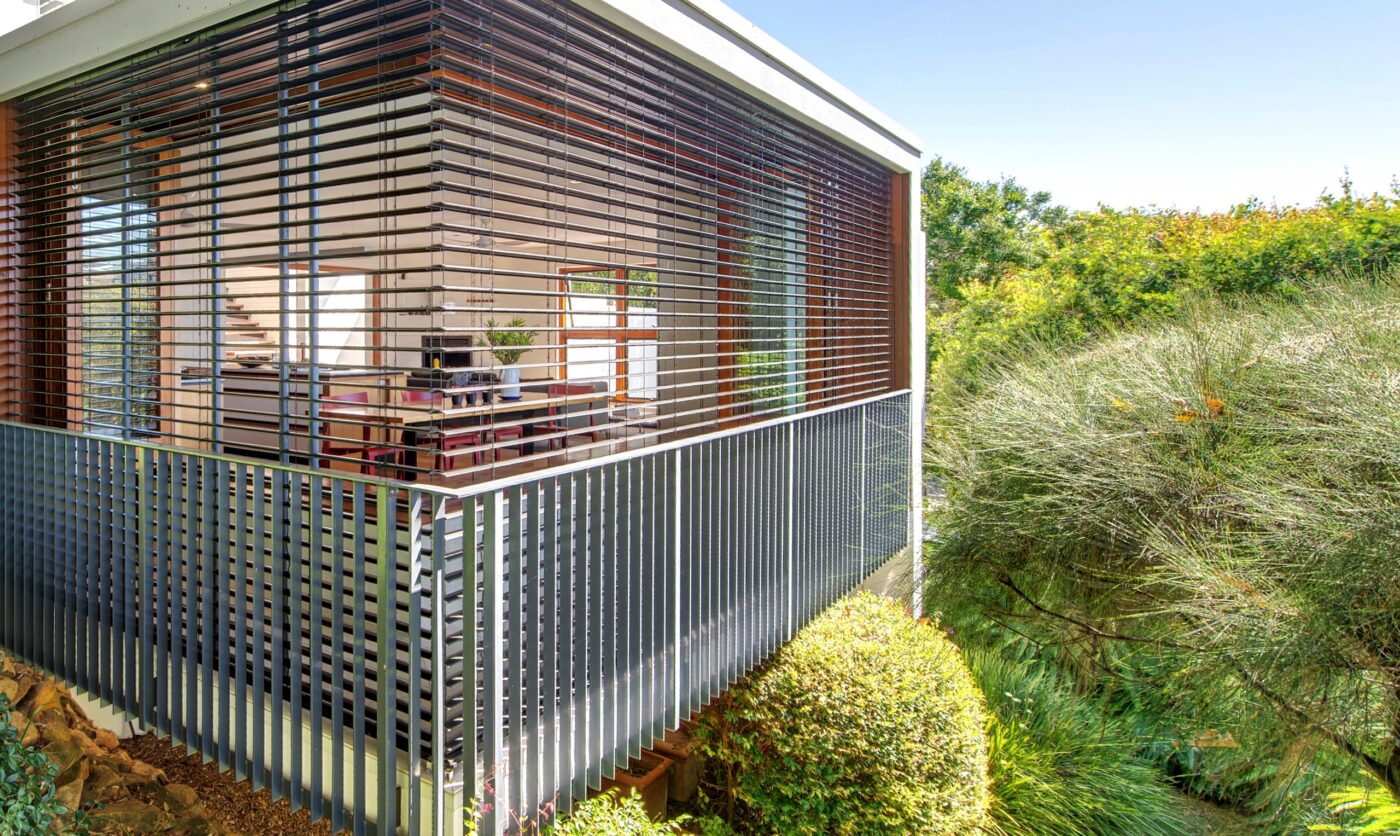
Dove Industry products are manufactured in Australia. High UV (Ultraviolet) light in Australia requires added protection to exposed materials. All external blinds can be motorised.
Yes. All our products are made from extruded aluminium, 316 marine grade stainless steel and UV treated plastics. It is recommended if your products are installed in a coastal location that regular maintenance and cleaning be carried out as outlined in the warranty.
Yes. Motors can be added to products after installation.
Yes. All our motorised products operate via a 240v motor which will need to be connected to your main power supply by a qualified electrician.
Dove Industry products come with a 5 year manufacturer’s warranty. Some component warranties vary depending on the finish and installation conditions.
Vental blinds 4 – 6 weeks
Roller Glide 3 -4 weeks
No. Dove Industry produces the highest quality sunshade solutions available. We offer a full and complete service including on-site measure and quote, manufacturing, installation, maintenance and on-going support. With a Dove Industry total product, you can be assured that you not only have the best product today but for many years to come backed by our 5 year warranty.
Retractable blinds and awnings don’t need council approval, as they return back into the head-box.
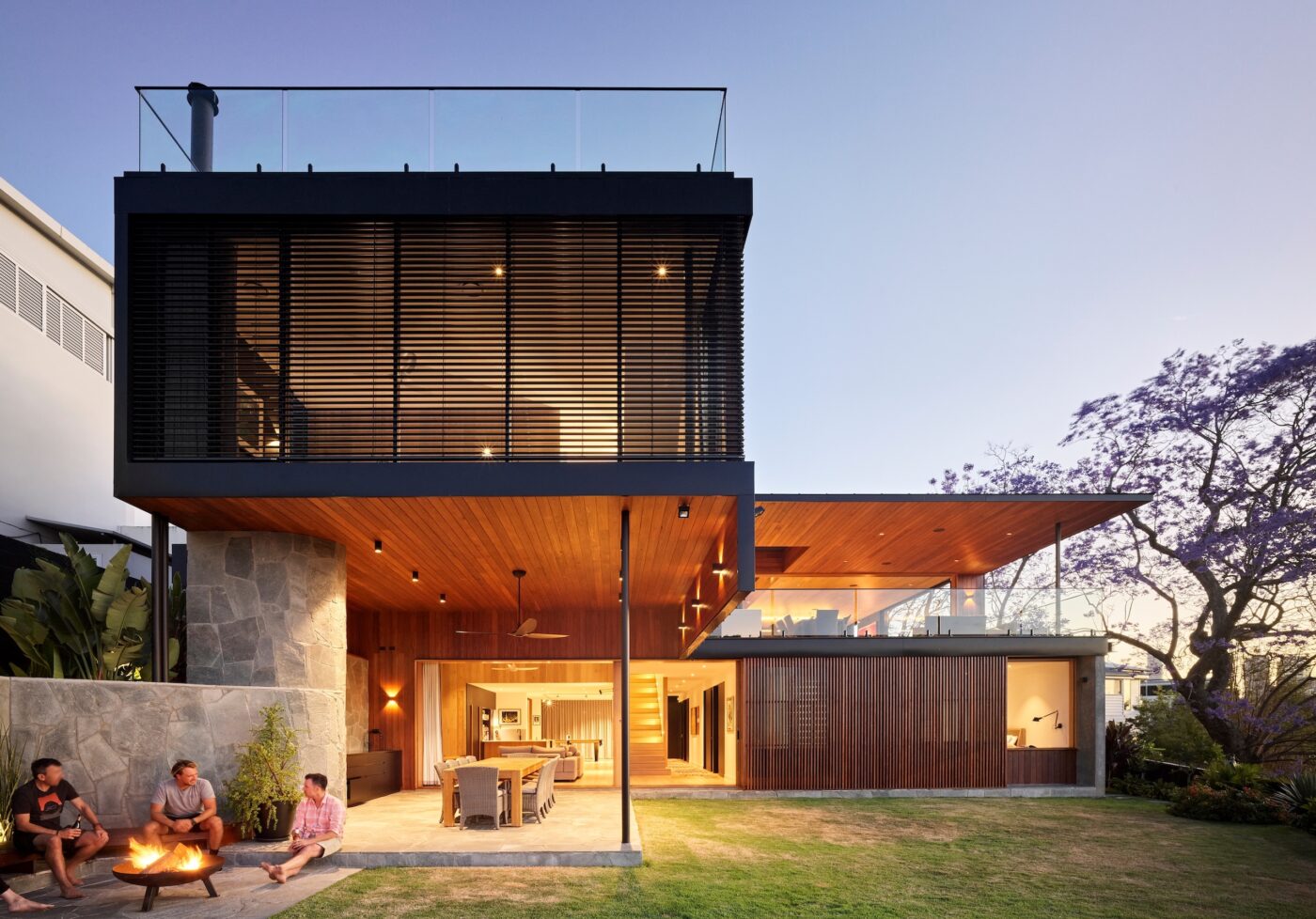
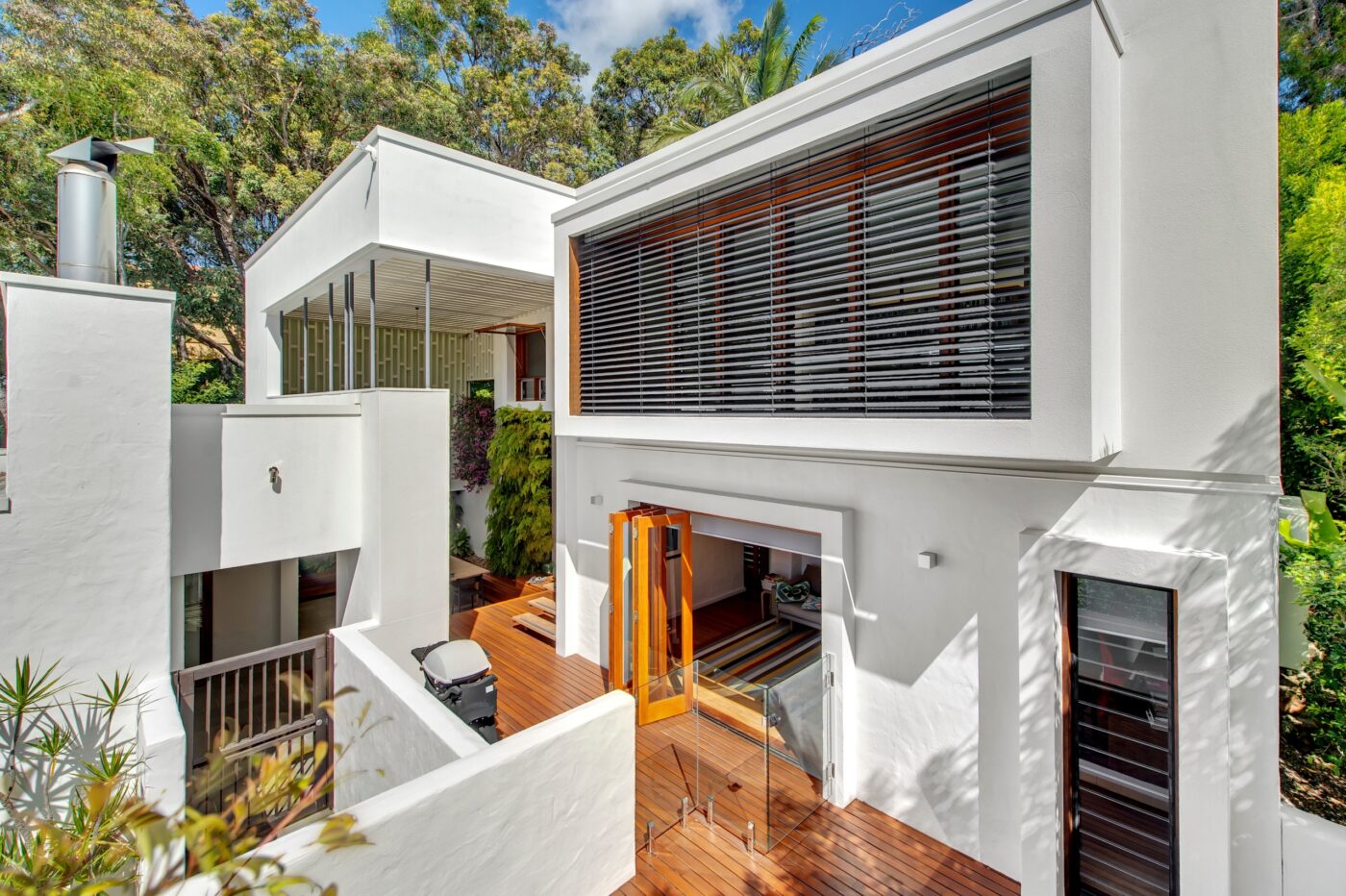
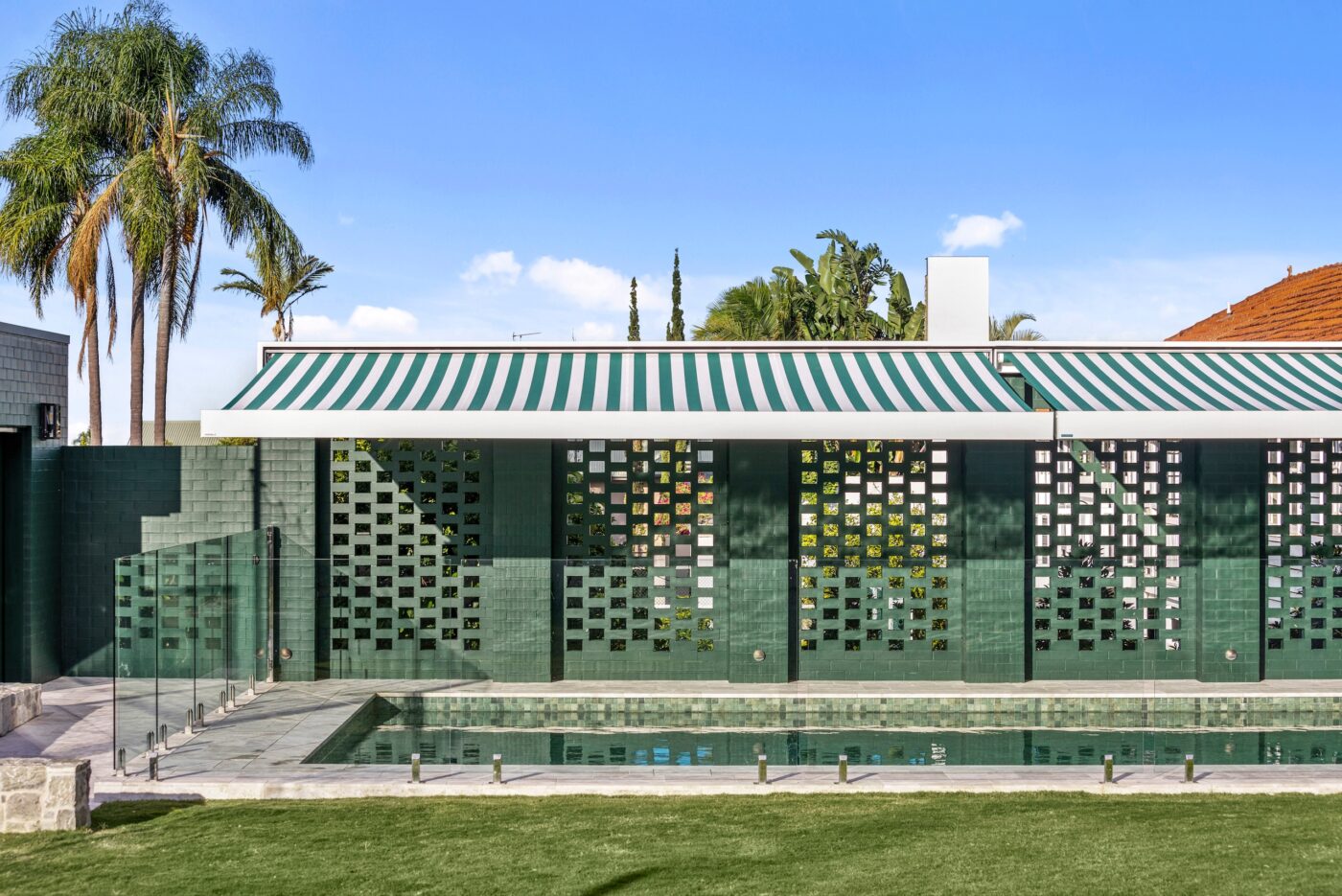
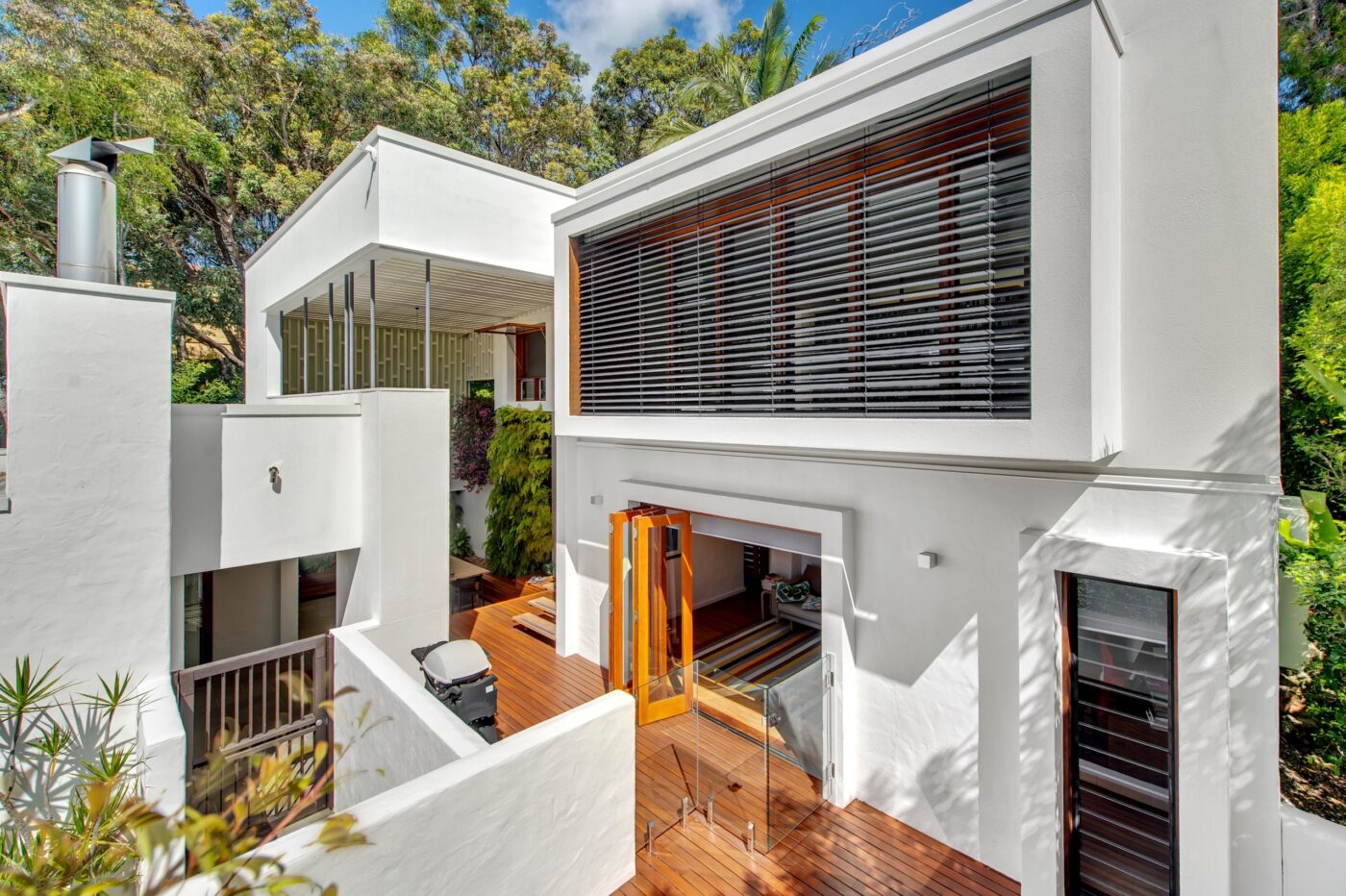
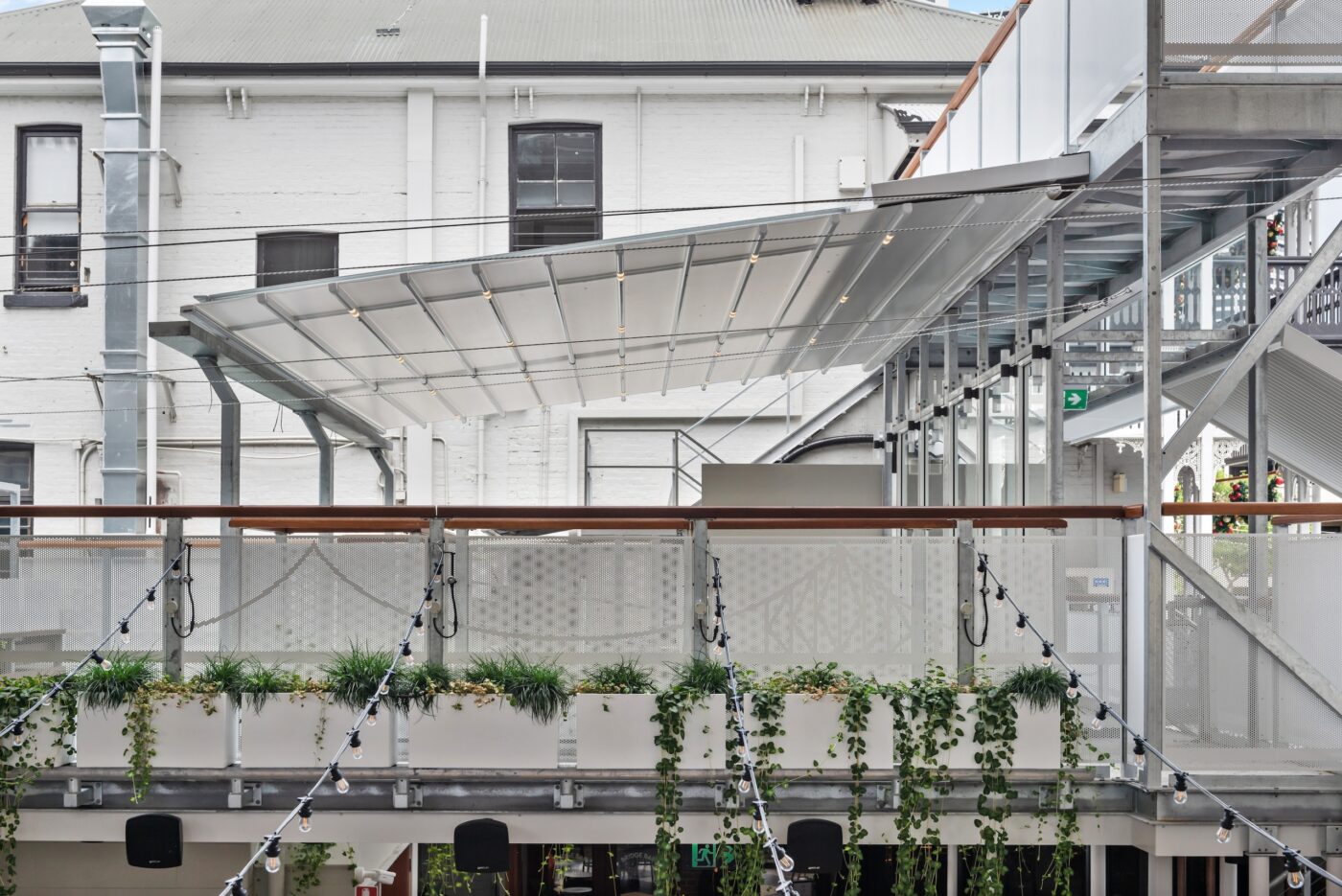
Rates for can vary considerably based on type, size, operation and site conditions. As a guide they can cost between $550 – $650 per square metre.
Yes. Vental 80mm blinds mounted close to the glass have shown in wind tunnel tests, withstood gale force peaks of as much as 200 km/h, applied from varying directions, without damage.
Dove Industry do not recommend mounting Vental blinds away from the glazing. If blinds are mounted away from the glazing, then additional guide wire supports are required and wind sensors are recommended.
Vental blinds are available in a range of RAL colours.
Rates for Roller Glide blinds can vary considerably based on size of awning, fabric type and method of operation (hand crank or motorised), and site conditions. As a guide they can cost between $250 – $500 per square metre.
The Soltis 86 & 88 mesh style has the optimum openness factor combining solar protection whilst maintaining the view.
The Soltis 92 micro ventilation system is ideal for conserving visability towards the outside and ensures privacy for the inhabitants.
The Soltis 96 unique translucent aspect properties allows you to take full advantage of natural light without the glare.
No. It is not recommended that you leave awnings out during storms. Increased winds, hail and heavy rain can cause damage to your blind. You should always retract your blind if you know a storm is on the way.
Alternatively, installing a wind and rain sensor will help to protect your awning even when you are not home.
Please note that sensors are not a guaranteed method of protection for your awning and cannot be relied upon to respond quickly in the case of sudden squalls.
All Soltis fabrics are treated to be resistant to mould and mildew, no fabric is completely protected. There are some simple steps to follow to ensure your fabric retractable roof or awning does not get mould or mildew.
1. If you must retract your roof or awning in wet conditions, ensure when possible that it is extended and allowed to completely dry.
2. Do not allow water to pool and remain on your product for extended periods of time.
3. Avoid cleaning the fabric during humid weather as this can cause mould to appear.
Projects that control light, heat and ventilation in residential homes and commercial applications throughout Brisbane, Sunshine Coast & Gold Coast, Queensland.
Regular cleaning every 3 months to ensure the fabric is free from dirt, dust and grime. Clean your blind with a soft brush. Run a soft brush across the fabric in both directions including the side channel to prevent build up of dust and grim on your tracks.
Stick to warm soapy water using a silicone-based detergent—like a premium car wash. Avoid anything abrasive or acidic, such as harsh dish soaps or bleach-based cleaners; these can damage finishes or degrade material quality.
Operate the blind at least once a week to prevent build up of dirt and grim that will inhibit the operation.
Try to avoid the following:
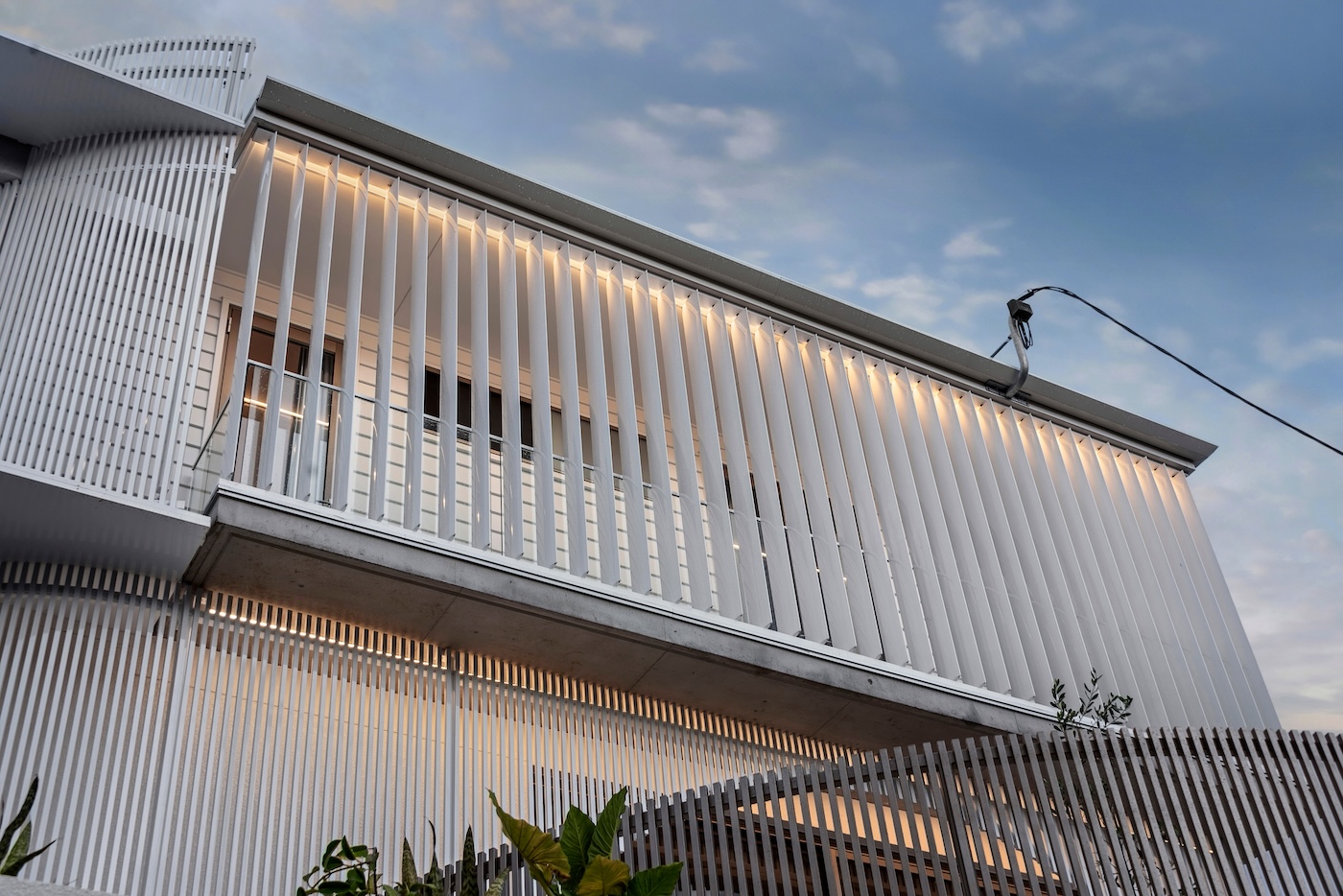
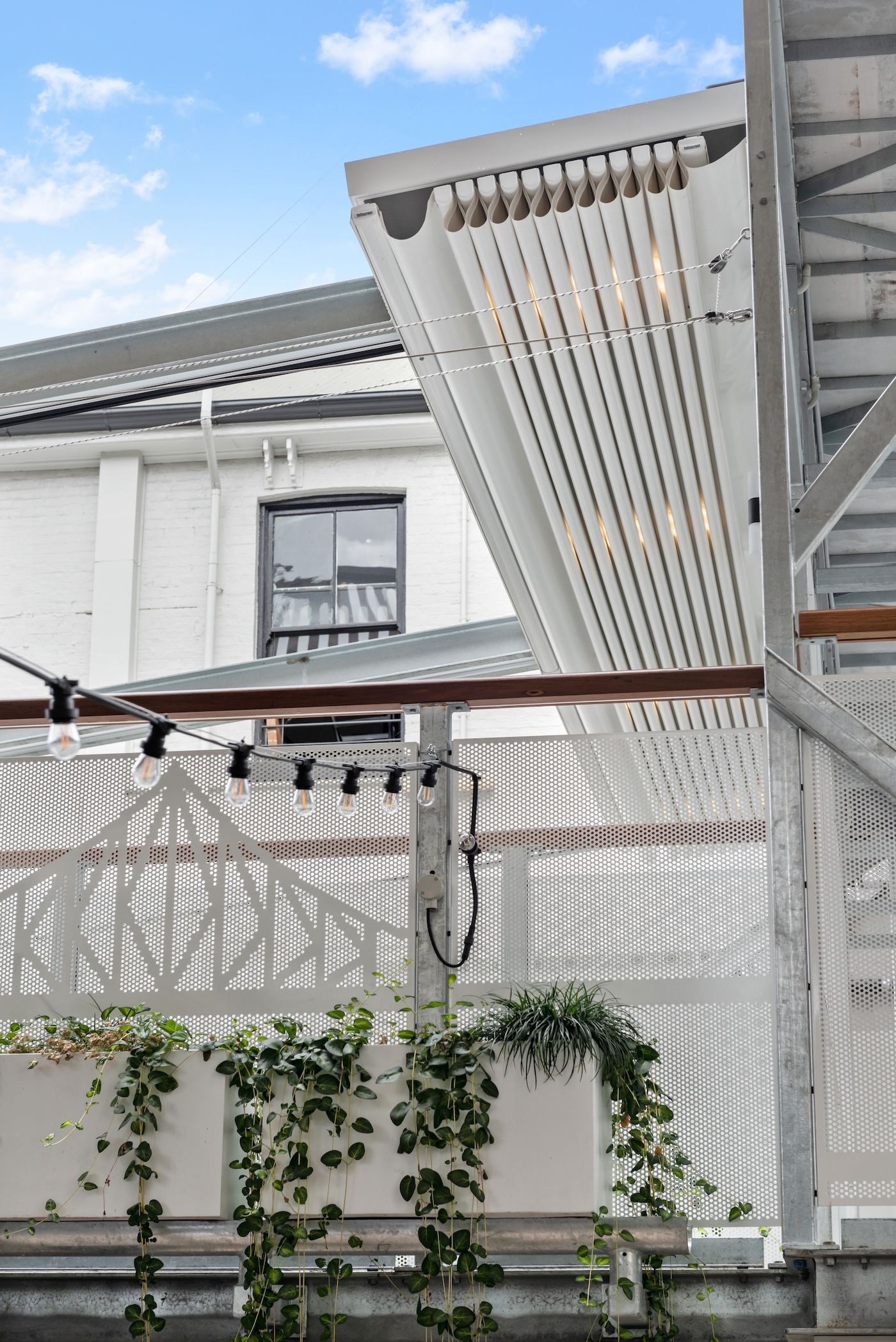
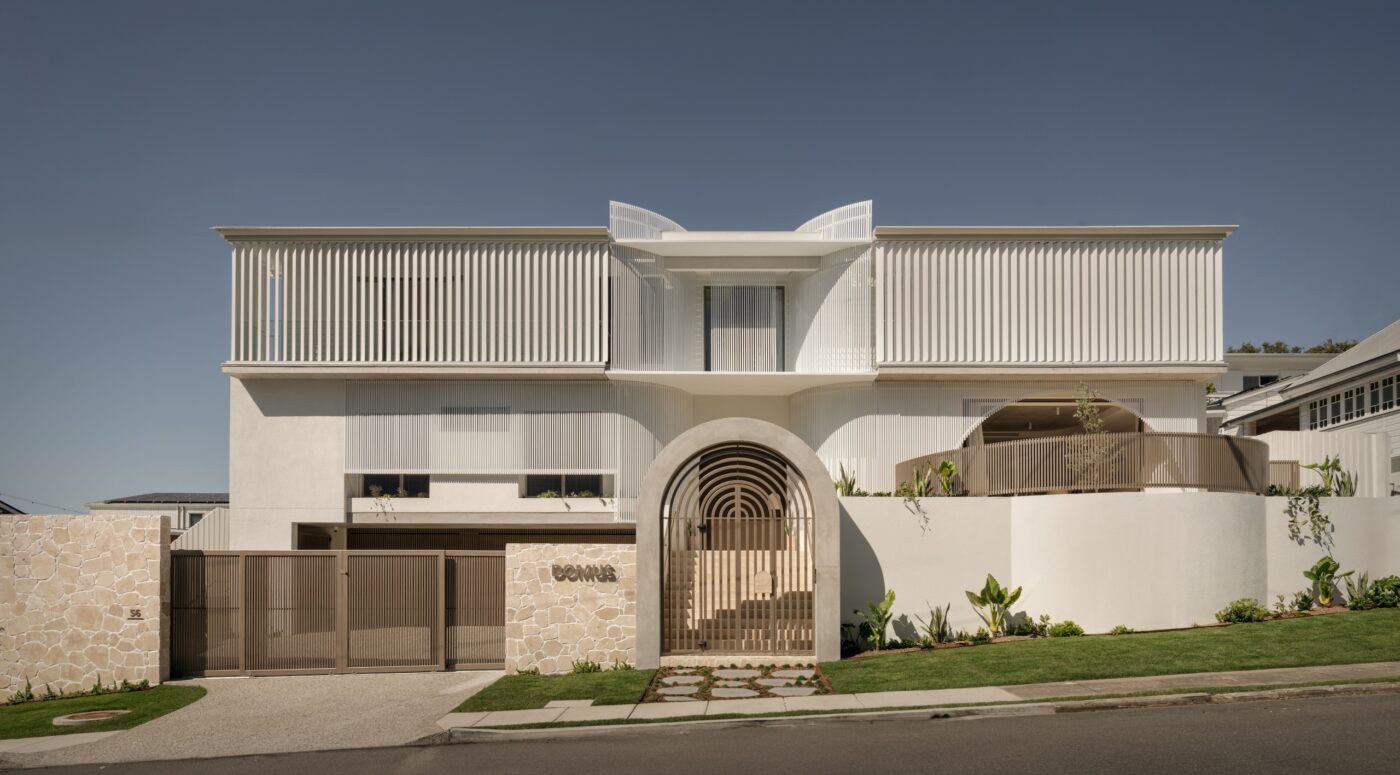 Vertical Louvres . Vertical Louvres
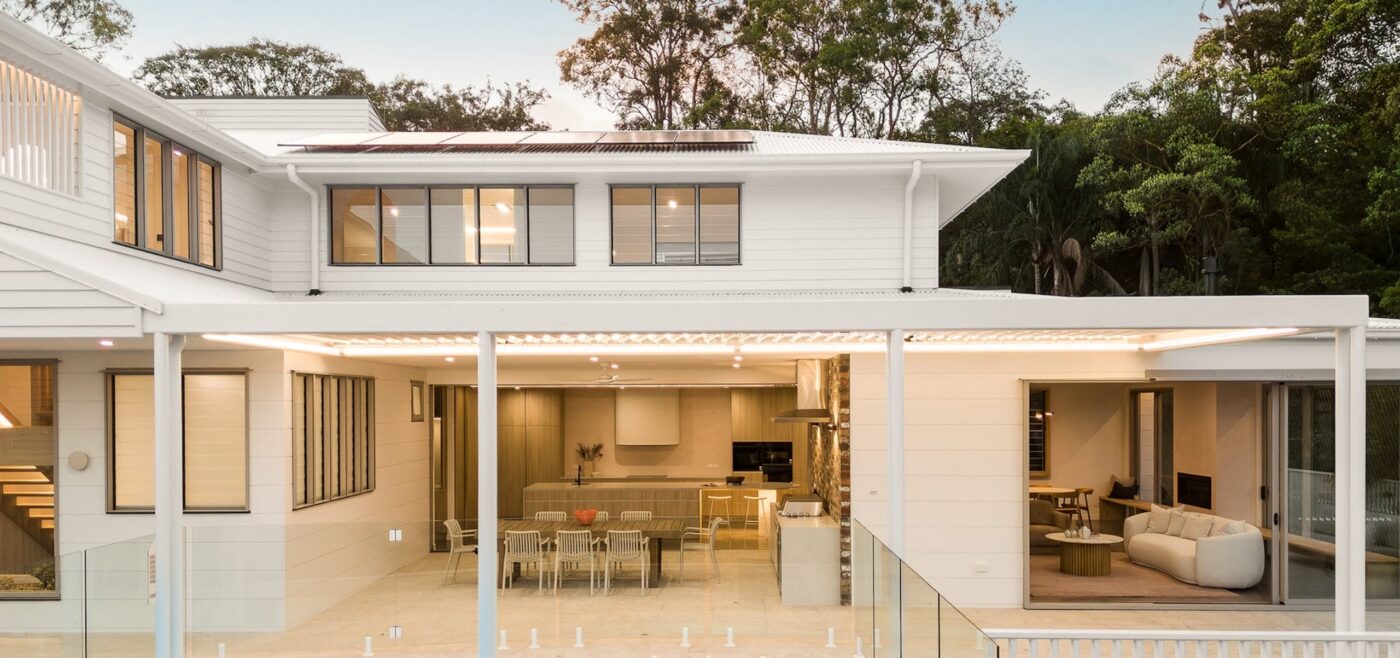 Louvre Roofs . Louvre Roofs
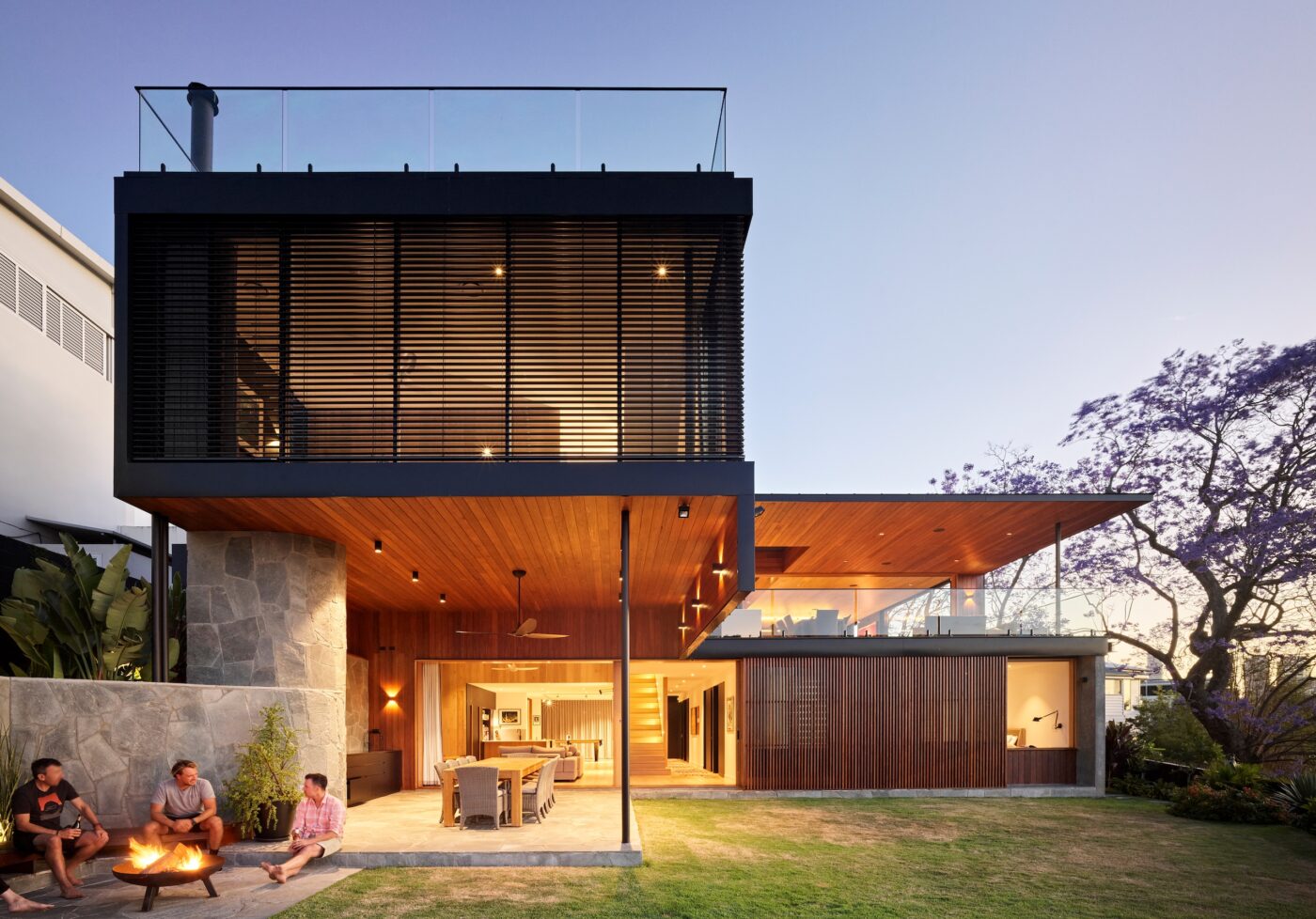 External Venetian Blinds . External Venetian Blinds